🌅 Table of Contents — Complete Brahma Muhurat Guide
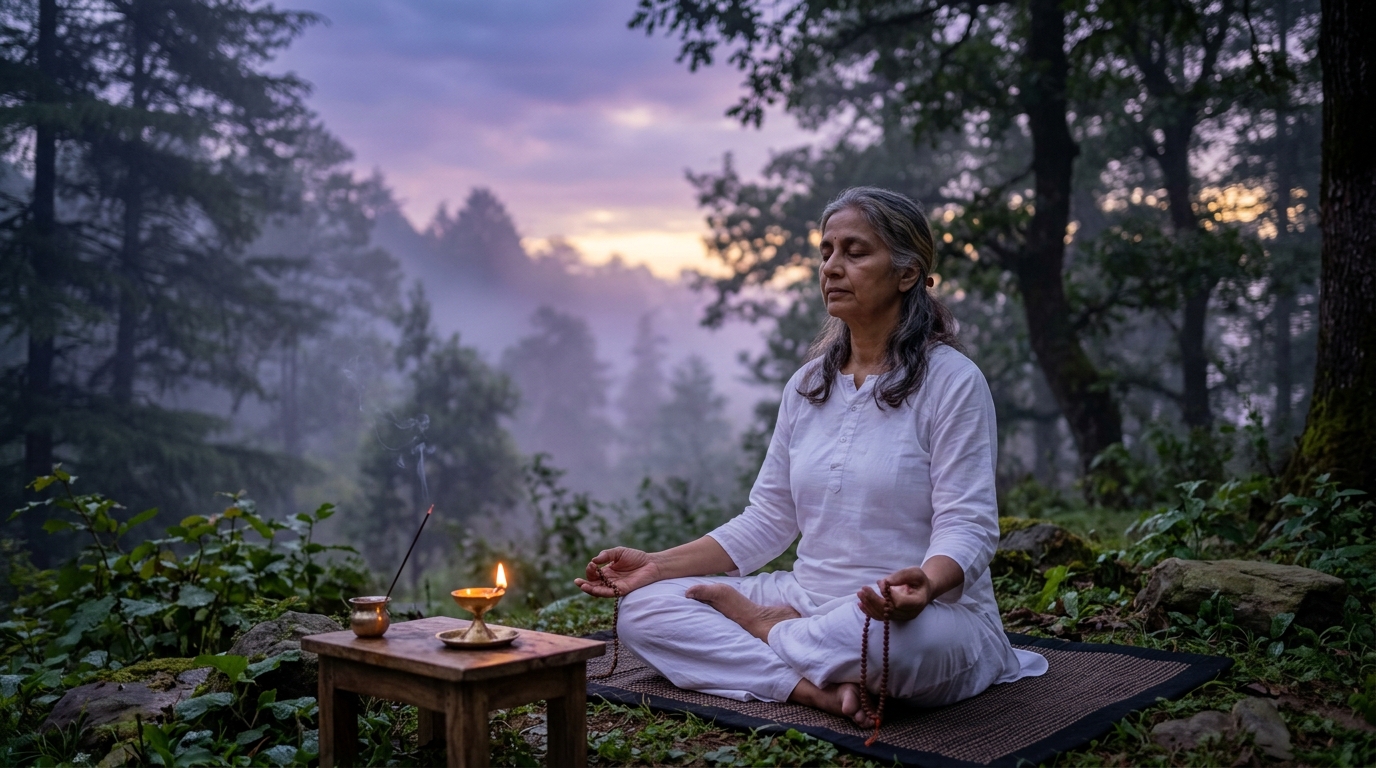
Have you ever noticed how peaceful the world feels just before sunrise? The streets are quieter, the air feels fresh, and there is a certain stillness that makes it easier to sit with your thoughts. In Hindu tradition, this special period before sunrise is known as Brahma Muhurat, a time traditionally associated with meditation, prayer, spiritual learning and self-reflection.
For centuries, Brahma Muhurat has held an important place in yogic practices and Hindu spiritual traditions. Many people prefer to wake up during this period to recite mantras, practise meditation, study religious texts or begin their day with a calm and focused mind. In Vedic astrology and traditional Hindu timekeeping, it is also discussed in relation to sunrise and the daily Panchang (check our complete guide to Aaj Ka Shubh Muhurt).
But what exactly is Brahma Muhurat? What time does it begin? Is it the same every day? And why do spiritual traditions recommend waking up during these early-morning hours?
In this guide, we will explore the meaning of Brahma Muhurat, how its timing is calculated, its traditional spiritual significance, the activities commonly performed during this period, and the precautions worth keeping in mind when following an early-morning routine.
What Is Brahma Muhurat?
Brahma Muhurat is a traditional period before sunrise that is considered suitable for spiritual practices, meditation, prayer and learning. The Sanskrit word Brahma is associated with the creator deity Brahma and, in philosophical contexts, with the ultimate reality discussed in Hindu thought. Muhurat refers to a traditional unit or period of time.
In everyday usage, Brahma Muhurat generally refers to a particular interval in the early morning rather than the entire period before sunrise.
A commonly used calculation places Brahma Muhurat approximately 1 hour and 36 minutes before local sunrise, ending about 48 minutes before sunrise. This convention defines the period as one muhurta of 48 minutes, beginning two such intervals before sunrise.
For example, if sunrise is at 6:00 AM, this calculation places Brahma Muhurat approximately between 4:24 AM and 5:12 AM. These are illustrative times, not a verified timing for any particular city or date.
The exact clock time changes according to the local sunrise, so it is important to check a location-specific Panchang or sunrise calculator.
Why Is Brahma Muhurat Considered Special?
Brahma Muhurat is traditionally regarded as a favourable time for turning inward. Because most people are still asleep and everyday distractions are limited, the early morning can provide an opportunity for quiet reflection.
In yogic and spiritual traditions, this period is associated with cultivating concentration, developing self-discipline and beginning the day with a clear intention.
Some practitioners use the time for mantra recitation, meditation, pranayama, reading spiritual texts or contemplating philosophical teachings. Others simply sit quietly and prepare mentally for the day ahead.
The significance of Brahma Muhurat is therefore both traditional and practical. Its religious importance comes from established spiritual teachings, while the quiet surroundings may make it easier for some people to maintain a consistent contemplative routine.
Is Brahma Muhurat the Same as Sunrise?
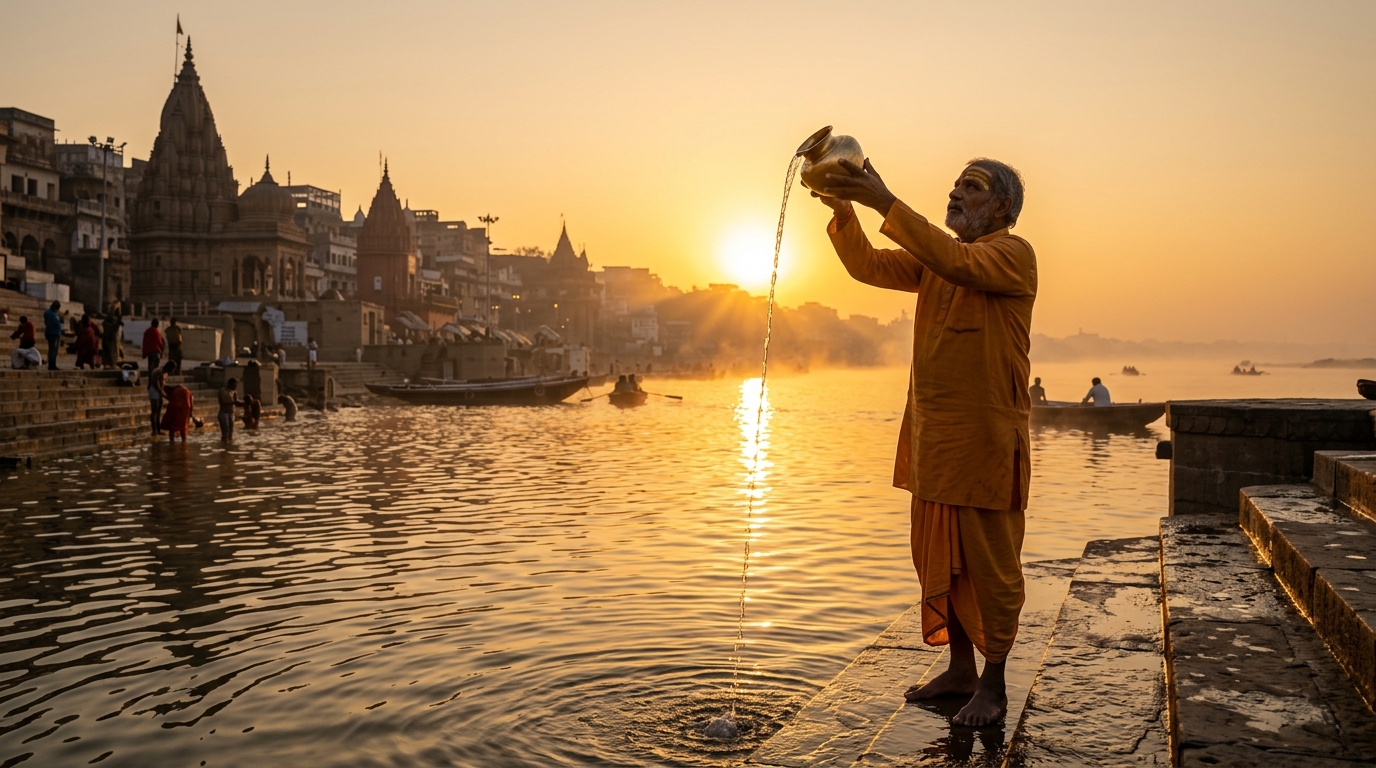
No. Brahma Muhurat occurs before sunrise and ends before the Sun rises.
Sunrise is an important reference point because the traditional calculation of Brahma Muhurat is based on local sunrise. The interval is counted backwards from that time.
For this reason, a fixed clock time should not be treated as the universal Brahma Muhurat for every place in India or throughout the year.
Brahma Muhurat Timings: How to Calculate the Correct Time
One of the most common questions people ask is, "What is the Brahma Muhurat time today?"
The answer depends on the date, location and calculation convention used. A timing that applies to one city may not be accurate for another.
The Traditional Brahma Muhurat Calculation
A commonly followed calculation uses two traditional muhurta units before sunrise to determine the start of Brahma Muhurat.
Under this convention:
- One muhurta is approximately 48 minutes.
- Brahma Muhurat begins about 96 minutes before sunrise.
- Brahma Muhurat ends about 48 minutes before sunrise.
- The resulting interval lasts approximately 48 minutes.
The calculation can be expressed as:
Brahma Muhurat start = Local sunrise − 96 minutes
Brahma Muhurat end = Local sunrise − 48 minutes
These formulas describe a widely used convention. Some traditions and published calendars may present the period differently, so follow the method used by the Panchang you consult.
Example of Brahma Muhurat Timing
Suppose your local sunrise is at 6:15 AM.
Using the calculation above:
- Start time: 6:15 AM minus 96 minutes = 4:39 AM.
- End time: 6:15 AM minus 48 minutes = 5:27 AM.
Therefore, Brahma Muhurat would be approximately 4:39 AM to 5:27 AM under this convention.
This example is for understanding the calculation only. To find Brahma Muhurat today, check the actual sunrise for your city and date.
Why Does Brahma Muhurat Change Throughout the Year?
Sunrise does not occur at exactly the same time every day. Its timing changes with the season and geographical location.
In some parts of India, sunrise may occur relatively early during certain months and later during others. Locations farther east or west can also have different local sunrise times.
Since Brahma Muhurat is calculated relative to sunrise, its clock-time window changes accordingly.
This is why a website publishing daily Brahma Muhurat timings should update them using reliable astronomical calculations rather than displaying the same hours throughout the year.
How Can You Find Brahma Muhurat for Your City?
To check the correct timing:
- Select the city where you are located.
- Check the local sunrise time for the relevant date.
- Apply the calculation used by your Panchang.
- Confirm the start and end times before planning your routine.
If you follow a particular religious or yogic tradition, use its recommended calculation method where applicable.
Brahma Muhurat in Vedic Astrology and Hindu Tradition
Brahma Muhurat is discussed in the broader context of Hindu timekeeping, spiritual disciplines and traditional daily routines. It is also relevant to readers exploring Vedic astrology because the Panchang provides a framework for understanding time through traditional calendrical and astronomical calculations.
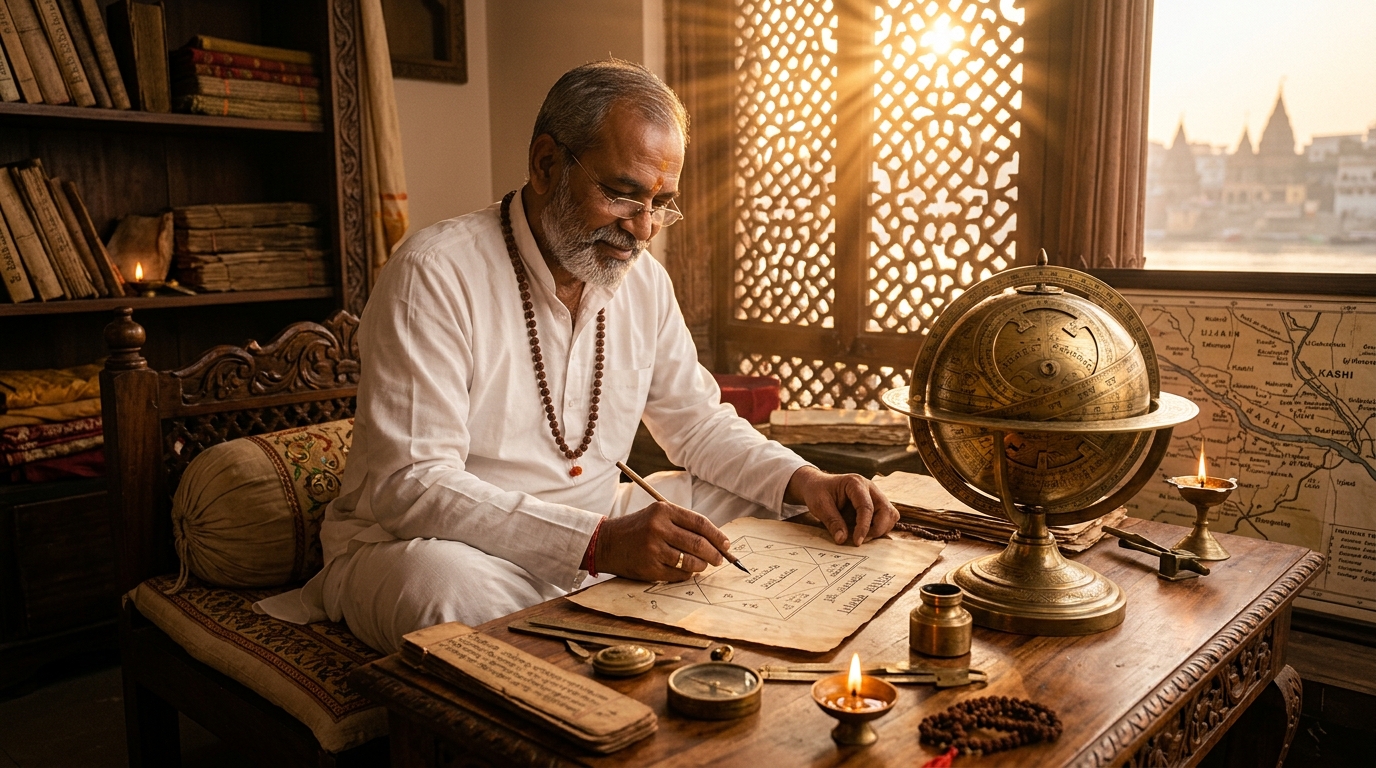
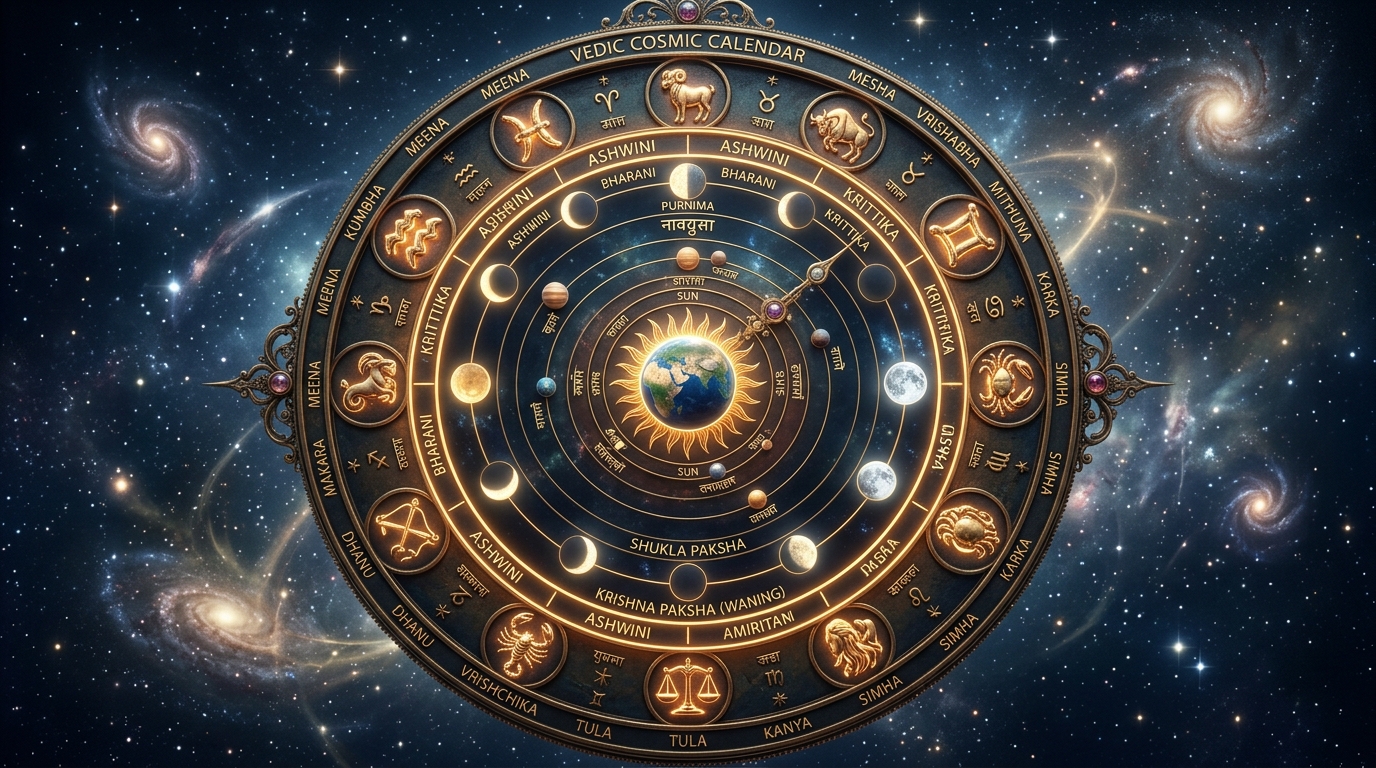
However, Brahma Muhurat should not be confused with a planetary transit, a Tithi or a Nakshatra. It is a defined time interval, commonly calculated relative to sunrise.
The Connection Between Brahma Muhurat and the Panchang
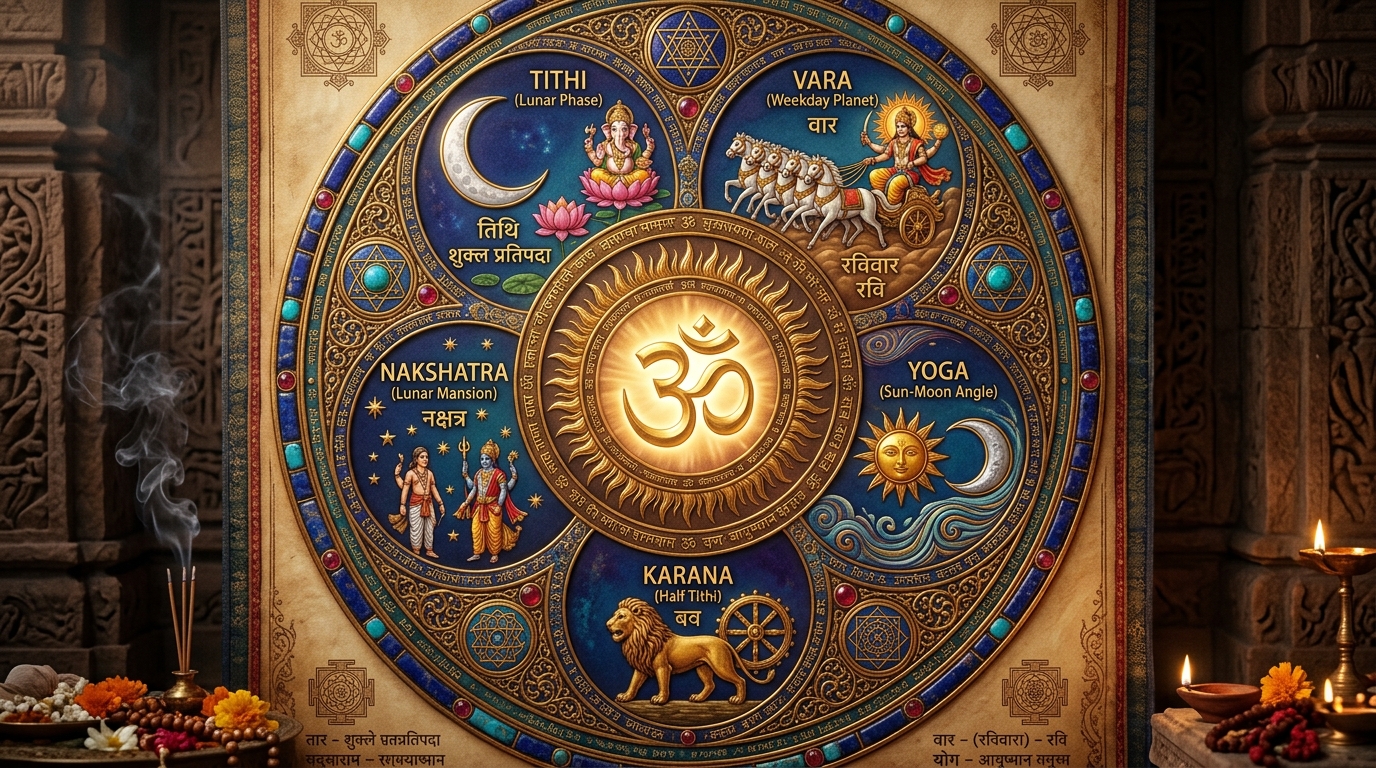
The Panchang is the traditional Hindu calendar used to understand five primary elements: Tithi, Vara, Nakshatra, Yoga and Karana.
These elements help practitioners interpret the characteristics of a day and identify timings for particular religious ceremonies.
Brahma Muhurat, by contrast, is usually calculated from local sunrise according to a specific timekeeping convention. It may appear in daily Panchang information alongside sunrise, sunset and other traditional periods.
A Panchang can therefore help you plan a spiritual routine, but the Brahma Muhurat calculation itself should be distinguished from the five core Panchang elements.
Is Brahma Muhurat an Astrologically Auspicious Time?
Looking for Today's Complete Auspicious Timings?
Check our comprehensive guide to Aaj Ka Shubh Muhurt: आज का शुभ मुहूर्त, पंचांग, राहु काल और पूजा का समय to find verified city-specific timings for Abhijit Muhurat, Choghadiya, Rahu Kaal, and festive ceremonies.
Within traditional Hindu and yogic practices, Brahma Muhurat is regarded as especially suitable for spiritual learning and contemplative activities.
This traditional recommendation does not mean that every action performed during the period is guaranteed to produce a positive result.
For example, Brahma Muhurat is commonly associated with meditation and prayer. It is not automatically the correct time for a wedding, property registration or every other ceremony. Such activities may have separate muhurat requirements.
If your purpose is to select a time for a major religious ceremony, consult the relevant Panchang and ceremony-specific guidance (explore our complete Aaj Ka Shubh Muhurt guide).
Does the Position of the Planets Determine Brahma Muhurat?
The commonly used calculation of Brahma Muhurat is based primarily on the interval before local sunrise, not on finding a particular planetary alignment.
Vedic astrology may interpret planetary positions and other calendrical factors when assessing a specific activity. However, these are separate considerations from the basic calculation of Brahma Muhurat.
Understanding this distinction helps prevent confusion between daily spiritual timings and personalised astrological recommendations.
Spiritual Significance of Brahma Muhurat
Brahma Muhurat is often described as a period for connecting with oneself and beginning the day with awareness.
In Hindu spiritual traditions, the early morning is valued as a time for prayer, meditation, disciplined study and contemplation. It provides an opportunity to step away from routine responsibilities and focus on inner development.
A Time for Meditation and Self-Reflection
Meditation is one of the most common practices associated with Brahma Muhurat.
Sitting quietly before sunrise can help establish a consistent meditation habit. The reduced activity around you may make it easier to focus on breathing, observe your thoughts or practise a chosen meditation technique.
For people with busy schedules, the early morning may also be one of the few periods when they can spend time without interruptions.
The benefits depend on the individual and the method practised. Brahma Muhurat should not be presented as a guarantee of a particular spiritual experience.
A Time for Prayer and Mantra Recitation
Many devotees use Brahma Muhurat to recite prayers or mantras connected with their chosen deity.
Depending on personal belief and family tradition, this may include prayers to Lord Shiva, Lord Vishnu, Goddess Durga, Goddess Saraswati or other forms of the Divine.
Some people prefer to repeat a simple mantra, while others read devotional texts or sit in silent prayer.
There is no single prayer that everyone must perform during Brahma Muhurat. Choose a practice that is meaningful to you and consistent with your tradition.
A Time for Spiritual Learning
The period is also associated with studying spiritual and philosophical texts.
A person may read a passage from the Bhagavad Gita, study a traditional commentary, listen to a religious discourse or reflect on an ethical teaching.
The objective is not simply to complete a reading task. It is to understand the ideas and consider how they may influence everyday conduct.
A Time to Set Intentions for the Day
Brahma Muhurat can also be used for personal reflection.
You might consider what matters most today, which responsibilities require attention, and how you want to respond to challenges. Some people write down their intentions or spend a few minutes practising gratitude.
These activities do not require a particular religious belief. They can form part of a quiet morning routine for anyone who finds the period useful.
Traditional Benefits Associated with Brahma Muhurat
Traditional teachings describe Brahma Muhurat as a favourable period for spiritual discipline and learning. Modern routines may also benefit from the quiet environment and consistency associated with waking early, provided adequate sleep is maintained.
It is important to distinguish traditional religious beliefs from scientifically established health claims.
Supporting a Consistent Meditation Routine
A regular meditation schedule can make it easier to develop a lasting habit.
For some people, early morning offers fewer interruptions than later hours. Practising at a similar time each day can help make meditation part of an established routine.
However, meditation can also be practised at other times. Someone who works night shifts or has caregiving responsibilities may find another period more practical.
Encouraging Focused Study
A quiet environment can be helpful when reading, studying or reflecting on a difficult subject.
People who prefer early mornings may use this time for spiritual study, journalling or planning. Whether it improves concentration depends on individual circumstances, sleep quality and personal habits.
Creating a Calm Start to the Day
Beginning the morning with a few minutes of quiet activity may help some people feel organised and prepared for their responsibilities.
Prayer, mindful breathing and reflection can serve as a transition between sleep and the demands of the day.
These are possible benefits of a consistent routine, not guaranteed effects unique to the Brahma Muhurat clock time.
Developing Self-Discipline
Following a regular morning schedule requires planning and consistency.
For those who choose to wake before sunrise, preparing the night before and keeping a sustainable bedtime may help maintain the habit.
Self-discipline should not come at the cost of adequate rest. An early-morning routine is most useful when it supports overall wellbeing rather than creating persistent tiredness.
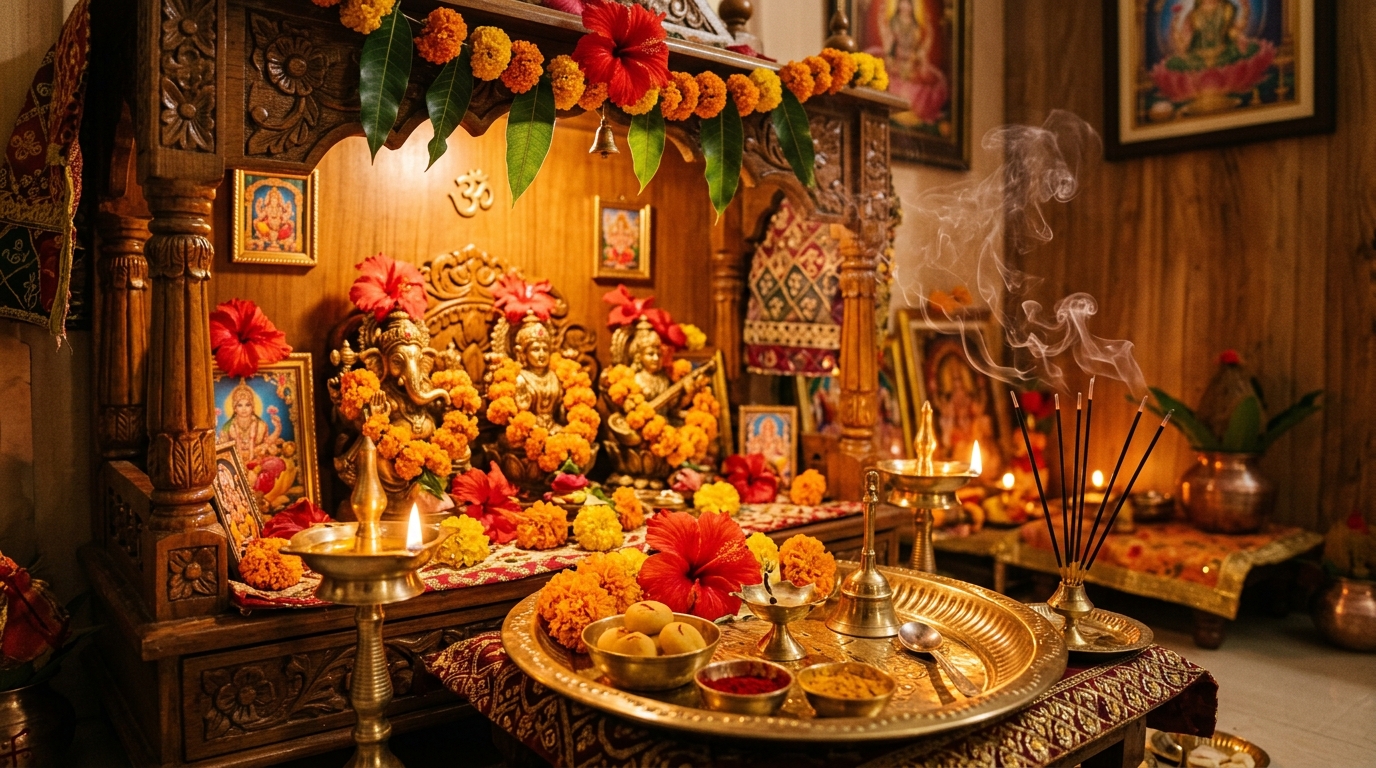
What Should You Do During Brahma Muhurat?
There is no single routine that everyone must follow. Your activities can depend on your religious beliefs, spiritual goals, health and available time.
A simple routine is often easier to maintain than an elaborate schedule that becomes difficult after a few days.
Meditation
Find a comfortable place where you can sit without unnecessary distractions.
Keep your posture relaxed and direct your attention towards your breathing or a chosen meditation technique. If your mind wanders, gently return your attention to the practice.
Beginners can start with a short session and gradually increase the duration if it feels comfortable.
Mantra Japa
Japa is the traditional practice of repeating a mantra or sacred name.
Some people use prayer beads, while others repeat a mantra silently. The choice of mantra usually depends on personal devotion, family tradition or spiritual guidance.
If you are unfamiliar with a particular mantra, learn its pronunciation and meaning from a reliable source rather than relying on an uncertain transcription.
Reading Sacred Texts
Brahma Muhurat can be used for reading the Bhagavad Gita, Upanishads, devotional poetry or other texts relevant to your tradition.
Read slowly, reflect on the meaning and consider how the teaching relates to everyday life.
Even a small amount of thoughtful reading can be more useful than rushing through a large section without understanding it.
Prayer and Gratitude
You may begin with a simple prayer expressing gratitude for the new day.
Some people offer water or flowers according to their family customs, while others prefer silent prayer.
Follow appropriate household and religious practices, and avoid assuming that every tradition uses the same ritual.
Gentle Yoga or Breathing Exercises
Some people include gentle movement or breathing practices in their early-morning routine.
Choose practices suitable for your physical condition and experience. Avoid strenuous exercise immediately after waking if you feel dizzy, unwell or insufficiently rested.
If you have a medical condition or specific physical limitations, seek appropriate professional advice before starting an unfamiliar exercise routine.
A Simple Brahma Muhurat Routine for Beginners
If you want to begin practising during Brahma Muhurat, start with a manageable routine rather than trying to change your entire lifestyle overnight.
Step 1: Prepare the Night Before
Choose a realistic waking time based on your local sunrise and the calculation you follow.
Prepare your meditation space, keep any prayer materials ready and plan your bedtime so that waking early does not reduce your sleep unnecessarily.
Step 2: Wake Up Gently
Give yourself a few moments to become fully alert.
Drink water if you wish, freshen up and choose a quiet place for your practice. Follow any personal or family customs associated with morning worship.
Step 3: Spend a Few Minutes in Silence
Begin with gentle breathing or quiet observation.
You do not need to force your mind to become completely empty. Simply allow yourself time to settle before moving on to prayer or study.
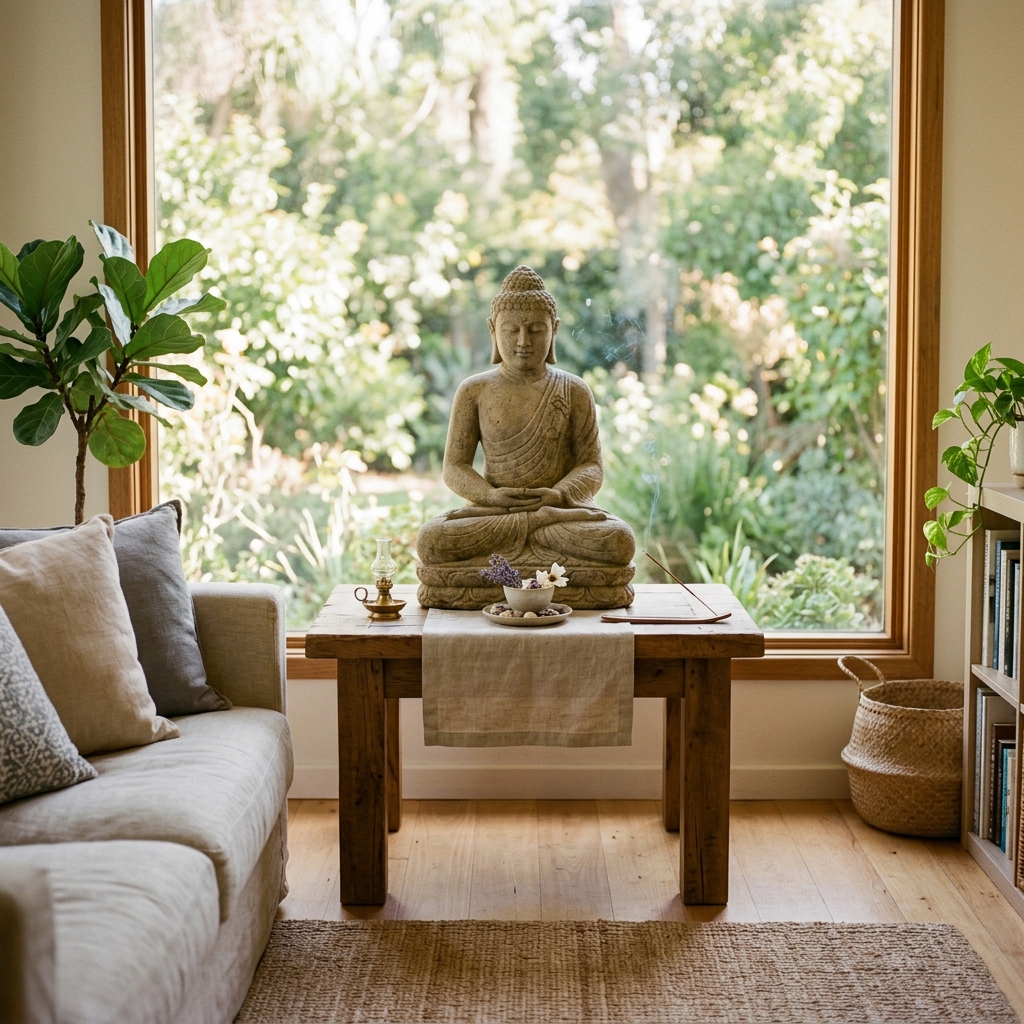
Step 4: Continue with Your Chosen Practice
You may recite a mantra, read a spiritual passage, practise meditation or reflect on the day ahead.
Choose one or two activities that feel sustainable rather than attempting to follow every possible recommendation.
Step 5: End with a Clear Intention
Before returning to your daily responsibilities, identify one meaningful action you want to take that day.
This could be completing an important task, speaking patiently, helping someone or giving proper attention to your responsibilities.
The purpose of a morning routine is to support a more thoughtful day, not to create pressure to perform perfectly.
Brahma Muhurat and the Ideal Time to Wake Up
Many people assume that practising during Brahma Muhurat requires waking up at an extremely early hour every day.
In reality, the appropriate routine depends on the local sunrise, your sleep schedule and your personal circumstances.
Should Everyone Wake Up During Brahma Muhurat?
No. Although the period has an important place in Hindu spiritual tradition, not everyone has the same daily responsibilities or sleep needs.
People who work overnight, care for young children, manage medical conditions or have demanding schedules may need a different routine.
If you find that waking early makes you consistently tired, it is sensible to prioritise adequate sleep and choose another time for meditation or prayer.
How Much Sleep Should You Get?
Sleep requirements vary by age and individual circumstances. Most adults generally need at least seven hours of sleep per night, although some people require more.
If you want to wake before sunrise, work backwards from your intended waking time to establish a suitable bedtime.
For example, someone planning to wake at 4:30 AM should ensure that their sleep schedule allows enough time for adequate rest.
An early start is not automatically beneficial if it results in chronic sleep deprivation.
Is Brahma Muhurat Suitable for Night-Shift Workers?
People who work night shifts may find it difficult or unhealthy to follow a conventional early-morning schedule.
They can still maintain a meaningful spiritual practice at a time that fits their sleep cycle and responsibilities.
The traditional significance of Brahma Muhurat can be respected without assuming that everyone must follow the same waking schedule.
Brahma Muhurat for Students and Learning
Students sometimes use Brahma Muhurat as a time for revision, reading or quiet preparation.
The early morning may be helpful for learners who feel alert and can study without interruptions. However, the most productive study time differs from one person to another.
Is Studying During Brahma Muhurat Beneficial?
A quiet study environment and a consistent routine can support focused learning.
Students may use the period to review difficult concepts, read educational material or plan their priorities before the school or college day begins.
However, there is no need to assume that information learned during this specific interval will automatically be remembered better than information studied at other times.

Adequate sleep, active recall, spaced repetition and regular revision remain important learning practices.
Saraswati Worship and Learning
Goddess Saraswati is traditionally associated with knowledge, learning, music and the arts.
Students and families may include prayers to Goddess Saraswati in their spiritual routine, particularly during Saraswati Puja or other educational observances.
The form of worship depends on personal belief and family custom. Daily study habits and disciplined practice remain essential alongside religious observances.
Brahma Muhurat for Yoga and Meditation
Brahma Muhurat is often discussed in yogic traditions because it is associated with quietness, contemplation and disciplined practice.
Yoga is a broad tradition that includes ethical principles, physical postures, breath regulation, concentration and meditation. Not every form of yoga is suitable for every individual or requires practice before sunrise.
Can Beginners Meditate During Brahma Muhurat?
Yes, if the schedule is suitable and the person is adequately rested.
Beginners can start with a short, comfortable session. They may focus on natural breathing, observe their thoughts or follow a simple guided meditation.
If sitting still is uncomfortable, choose a suitable alternative or seek guidance from a qualified instructor.
Is Pranayama Recommended Before Sunrise?
Some yoga traditions include pranayama in early-morning practice.
The suitability of a breathing technique depends on the person's experience, health and the specific method being taught. Gentle, comfortable breathing is different from forceful or prolonged breath retention.
Beginners should avoid advanced breathing techniques without appropriate instruction, especially if they have relevant health concerns.
Does Brahma Muhurat Improve Spiritual Awareness?
Many practitioners regard the period as favourable for spiritual reflection. Experiences differ, however, and they should not be treated as identical for everyone.
A calm environment, regular practice and a clear intention may help some people engage more deeply with meditation or prayer.
Brahma Muhurat and Different Hindu Traditions
Brahma Muhurat is widely discussed in Hindu spiritual and yogic contexts, but daily routines differ across communities and traditions.
Some people follow detailed morning rituals. Others emphasise meditation, mantra recitation or study. Many combine several practices according to their family customs.
Shaiva Traditions
Devotees of Lord Shiva may use early-morning time for prayer, meditation or the recitation of Shiva mantras.
The specific practices depend on the tradition and the devotee's preferences.
Vaishnava Traditions
Vaishnava traditions place particular importance on devotion to Lord Vishnu and his incarnations.
Early-morning practices may include chanting divine names, reading devotional texts and engaging in prayer.
Shakta Traditions
Shakta traditions focus on the Divine Feminine, including forms such as Goddess Durga, Lakshmi and Saraswati.
Practices may involve prayer, mantra recitation and other forms of worship according to the relevant tradition.
These examples illustrate the diversity of Hindu spiritual practice. They do not mean that every devotee must follow the same routine or that a particular form of worship is required during every Brahma Muhurat.
Common Mistakes People Make About Brahma Muhurat
Understanding the traditional calculation and purpose of Brahma Muhurat helps avoid unnecessary confusion.
Assuming the Timing Is Fixed
Brahma Muhurat is generally calculated relative to local sunrise. A fixed clock time cannot be applied accurately to every location and date.
Check the relevant sunrise and the convention used by your Panchang.
Confusing Brahma Muhurat with Abhijit Muhurat
These are separate traditional periods.
Brahma Muhurat is associated with the early morning before sunrise, whereas Abhijit Muhurat is generally associated with the period around midday (explore our dedicated Abhijit Muhurat guide and Aaj Ka Shubh Muhurt).
They have different calculations and customary uses.
Believing That Every Activity Is Automatically Auspicious
Brahma Muhurat is particularly associated with spiritual activities and learning in traditional teachings.
It should not be assumed to replace the specialised timing requirements of ceremonies such as weddings, housewarmings or festival pujas.
Sacrificing Sleep to Wake Up Early
Waking early is not beneficial if it consistently leaves you exhausted.
Plan a suitable bedtime and choose a routine that supports both your spiritual goals and your health.
Treating Traditional Beliefs as Guaranteed Results
Brahma Muhurat has religious and cultural significance, but it does not guarantee success, wealth, improved memory or a particular spiritual outcome.
Approach the practice with respect while maintaining realistic expectations.
Frequently Asked Questions About Brahma Muhurat
What is Brahma Muhurat?
Brahma Muhurat is a traditional early-morning period before sunrise associated with meditation, prayer, spiritual learning and reflection. It is commonly calculated as the interval beginning approximately 96 minutes before local sunrise and ending 48 minutes before sunrise.
What is the correct Brahma Muhurat time today?
The correct clock time depends on the local sunrise, date and calculation convention used. Check a reliable Panchang or sunrise calculator for your city rather than relying on a fixed time copied from another location.
Why is Brahma Muhurat considered auspicious?
Hindu spiritual and yogic traditions associate Brahma Muhurat with contemplation, disciplined practice, prayer and learning. The quiet surroundings of early morning may also make it easier for some people to focus.
How long does Brahma Muhurat last?
Under a commonly used calculation, Brahma Muhurat lasts approximately 48 minutes. Its start and end times are determined relative to local sunrise.
Can I chant mantras during Brahma Muhurat?
Yes. Many people use this period for mantra japa, prayer and devotional reading. The appropriate mantra depends on personal belief and the tradition being followed.
Can I meditate during Brahma Muhurat without following a religious tradition?
Yes. Meditation and quiet reflection can be practised without a specific religious affiliation. Choose a method that feels comfortable and suits your circumstances.
Is Brahma Muhurat good for studying?
It may be useful for students who feel alert and can study without interruptions. However, effective learning depends on several factors, including adequate sleep, suitable study methods and regular revision.
Is Brahma Muhurat the same as Amrit Vela?
The expressions are sometimes used similarly in popular discussions of the early morning, but their meanings and calculations can differ according to religious and spiritual traditions. It is best to follow the terminology used by the particular tradition or calendar being consulted.
Is Brahma Muhurat the same every day?
No. Its clock time changes with local sunrise. Seasonal changes and geographical location affect the timing.
Can I sleep after Brahma Muhurat?
There is no single rule that applies to everyone in every circumstance. Your sleep schedule should provide adequate rest. If you wake briefly for a spiritual practice, consider whether returning to sleep is appropriate for your routine and wellbeing.
Is Brahma Muhurat mentioned in Hindu scriptures?
Early-morning disciplines and the importance of appropriate daily routines appear in traditional Hindu literature, including Ayurvedic and yogic contexts. Specific interpretations and recommended practices vary by text and tradition, so claims about a particular scriptural passage should be checked against a reliable edition.
Is Brahma Muhurat scientifically proven to be the best time for meditation?
There is no established scientific rule that meditation must occur during Brahma Muhurat to be effective. Some people prefer early morning because it is quiet and convenient, while others meditate successfully at different times.
Can I perform puja during Brahma Muhurat?
Many people use the period for prayer and devotional practice. For a festival or ceremony with specific timing requirements, consult the relevant Panchang rather than assuming that Brahma Muhurat is automatically the prescribed period.
Conclusion: Make Brahma Muhurat Part of a Meaningful Routine
Brahma Muhurat holds an important place in Hindu spiritual tradition as a period associated with meditation, prayer, learning and self-reflection. Its traditional calculation is based on local sunrise, which means the exact clock time changes with the date and location.
For someone exploring Vedic astrology or Hindu timekeeping, understanding Brahma Muhurat is a useful starting point for learning how traditional calendars organise the day. It is equally important to distinguish this early-morning period from other concepts, such as Abhijit Muhurat, Rahu Kaal and the five elements of the Panchang.
If you want to practise during Brahma Muhurat, begin with a simple routine that suits your circumstances. A few minutes of meditation, prayer or thoughtful reading may be easier to maintain than an elaborate schedule.
Most importantly, balance spiritual discipline with adequate sleep, practical responsibilities and a realistic understanding of traditional beliefs.
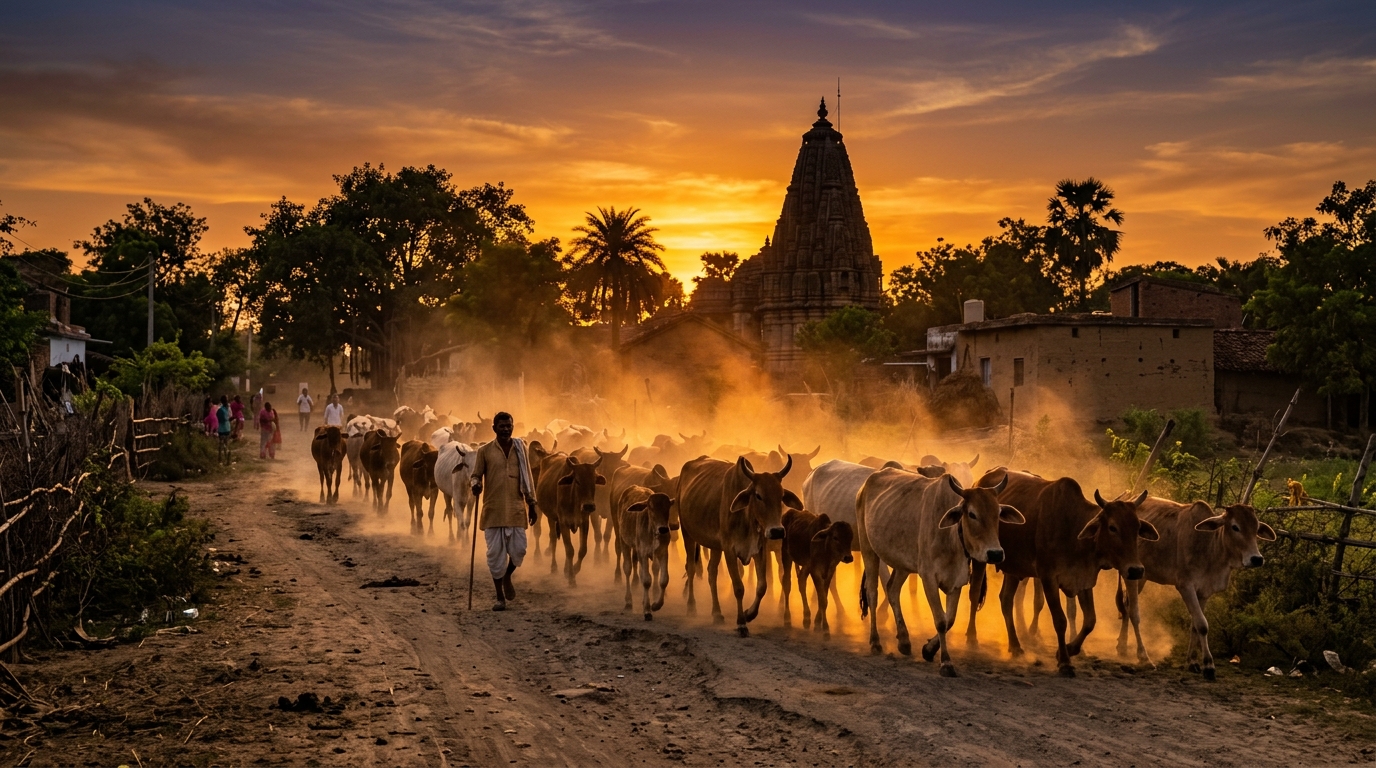
At Astro27, continue exploring Vedic astrology, Panchang concepts and the traditional significance of auspicious timings to deepen your understanding of Hindu calendrical and spiritual practices.