Vastu Shastra Items for Home: 25 Powerful Vastu Items, Their Benefits & Placement Guide
Your home is more than four walls, furniture, and decoration. It is the space where you begin your mornings, spend time with family, make important decisions, rest after a long day, and create memories. For generations, Indian traditions have associated the arrangement of this space with balance, harmony, and positive energy.
This is where Vastu Shastra items become relevant.
Vastu Shastra is a traditional Indian system concerned with the relationship between a property, its directions, layout, surroundings, and occupants. It places importance on orientation, spatial arrangement, natural elements, entrances, rooms, and the way different parts of a property interact.
Today, many homeowners do not want complicated structural changes. Instead, they look for simple Vastu Shastra items that can be incorporated into their existing interiors without changing the entire house.
From Ganesha idols and pyramids to tortoises, elephants, plants, diyas, crystals, and traditional symbols, there are numerous objects commonly associated with Vastu practices. However, choosing an object is only one part of the process. Its placement, direction, purpose, and compatibility with the space also matter.
In this detailed guide, we explore the most commonly recommended Vastu Shastra items, where they are traditionally placed, what they symbolise, and how to use them thoughtfully in modern homes.
What Are Vastu Shastra Items?
Vastu Shastra items are objects, symbols, decorative pieces, plants, metals, or traditional remedies that are believed within Vastu traditions to support balance in a particular space.
They can be broadly divided into several categories:
- Religious and spiritual objects
- Decorative Vastu objects
- Metal-based remedies
- Natural elements
- Plants
- Geometric Vastu instruments
- Water-related objects
- Protective symbols
- Direction-specific remedies
- Traditional auspicious symbols
The purpose is not necessarily to fill every corner of your house with objects.
A better approach is to understand the space first and then determine whether a particular item is appropriate.
Several modern Vastu guides similarly emphasise the importance of directions and room-wise placement instead of treating every object as universally suitable.
25 Vastu Shastra Items Commonly Used in Indian Homes
1. Lord Ganesha Idol
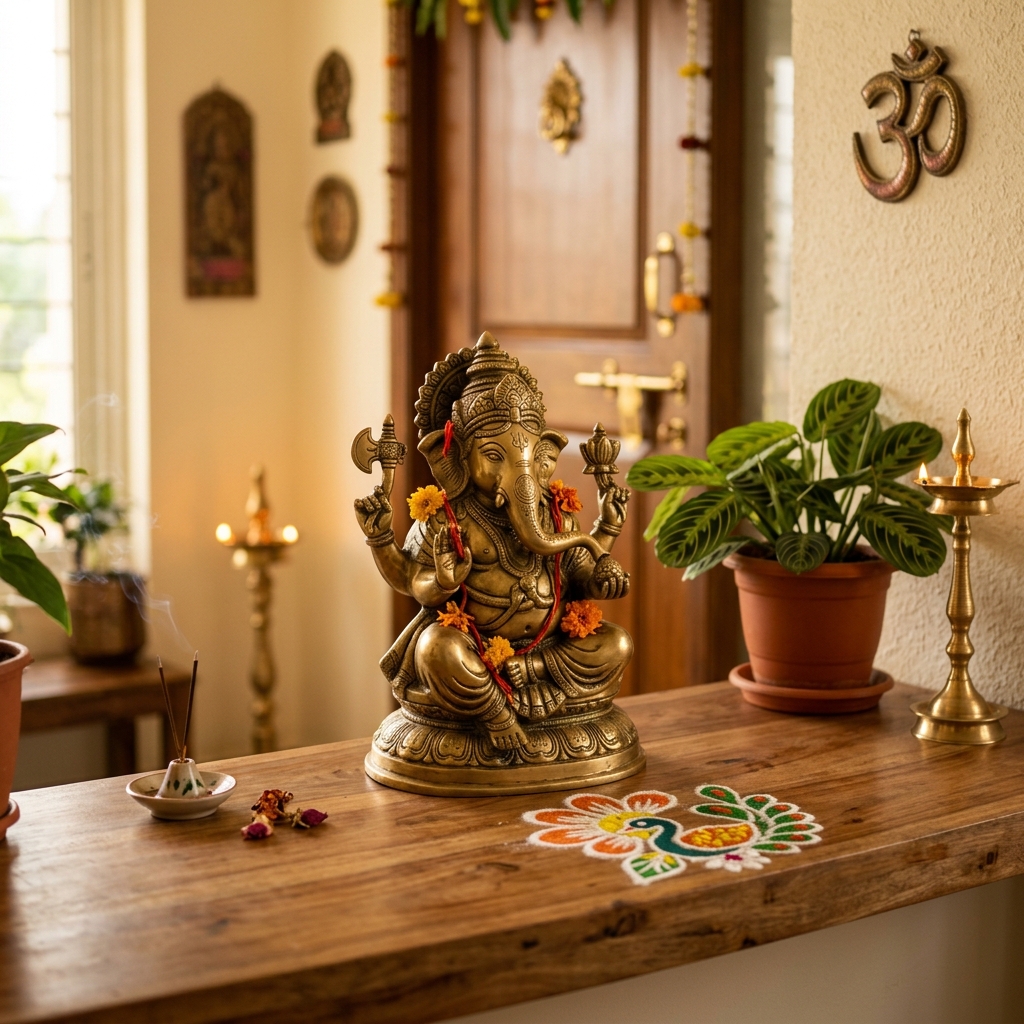
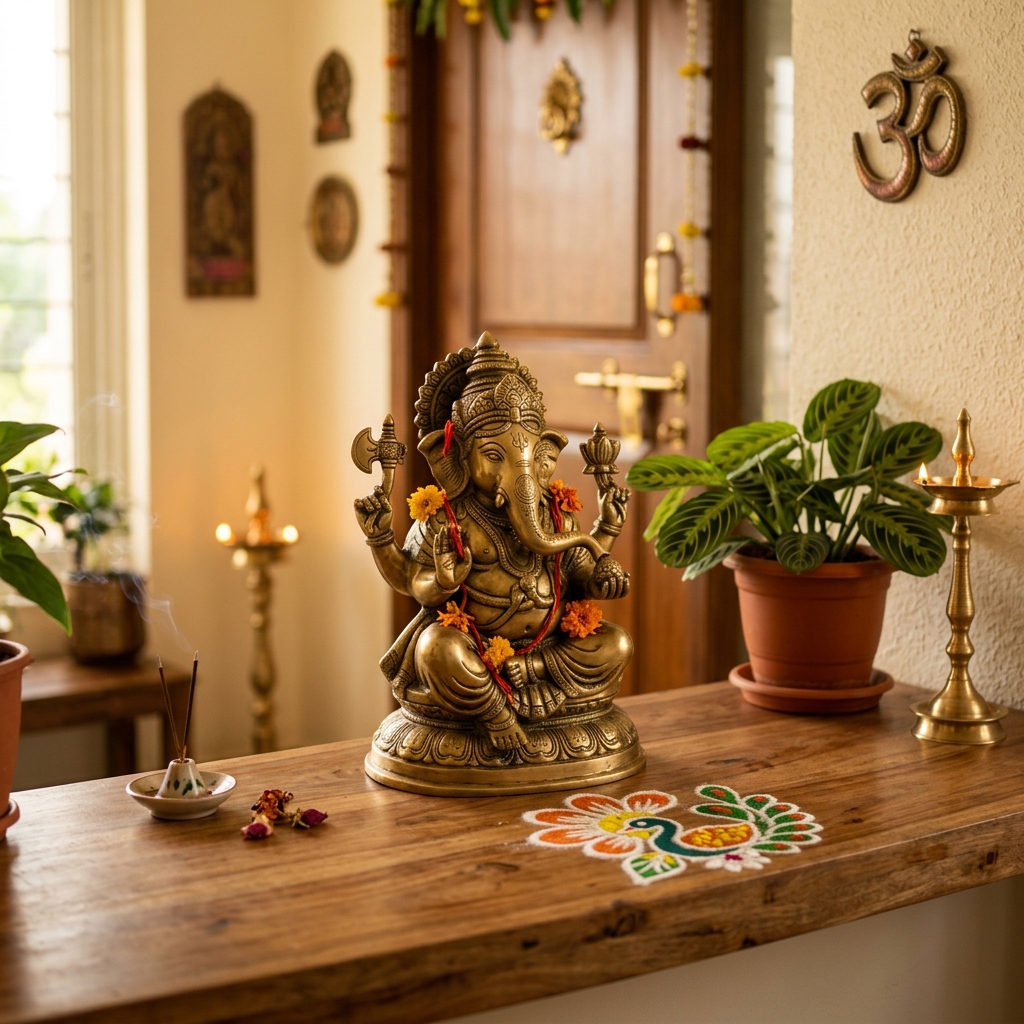
Lord Ganesha is among the most popular choices when people search for Vastu Shastra items for the entrance or living room.
Traditionally associated with wisdom and the removal of obstacles, a Ganesha idol is often placed near an entrance, prayer area, or another clean and respectful location.
When choosing an idol, pay attention to its condition and appearance. A damaged or broken idol is generally avoided in traditional household practices.
For a modern home, a small, elegant Ganesha sculpture can work as both spiritual décor and a meaningful decorative element.
Rather than placing multiple idols randomly throughout the house, choose a location that is clean, well maintained, and appropriate for the object.
2. Vastu Pyramid
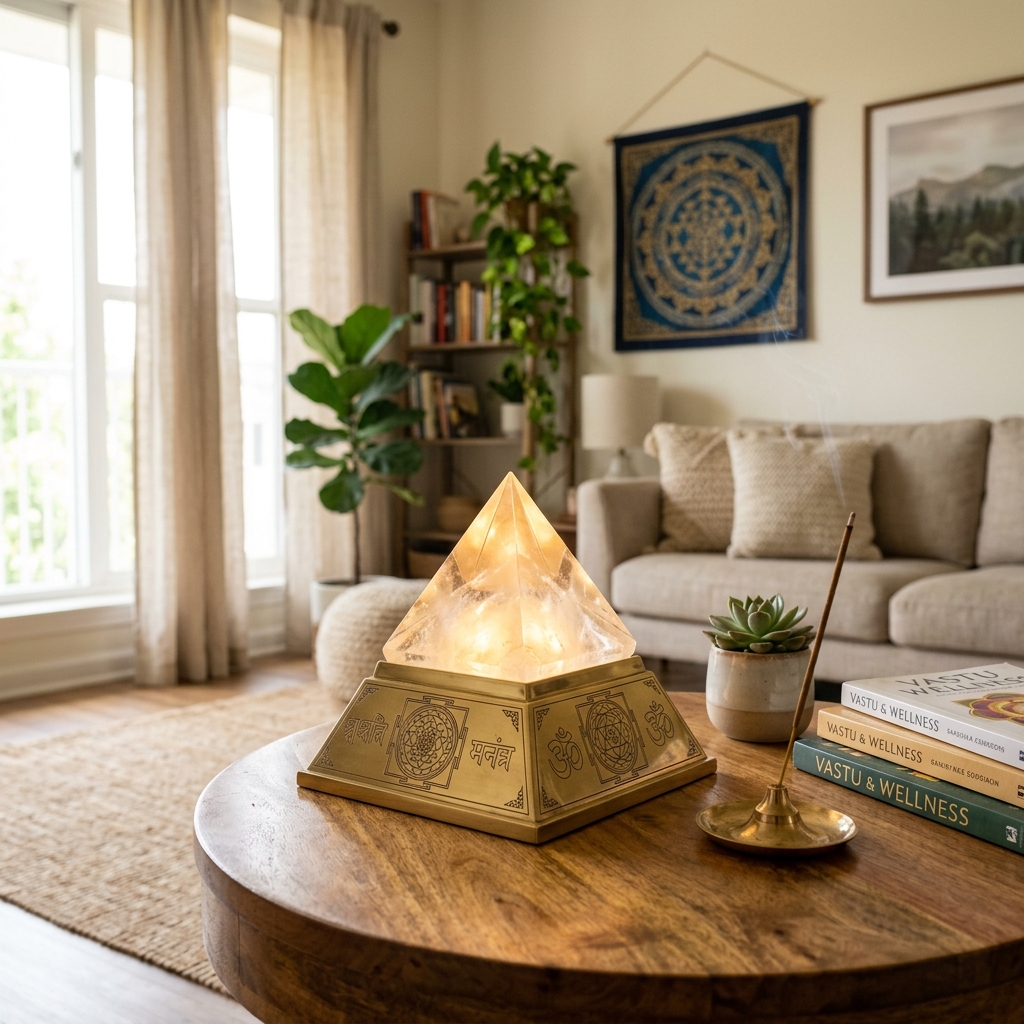
A Vastu pyramid is one of the most frequently discussed Vastu Shastra items associated with geometric energy concepts.
Pyramids are commonly available in different materials, sizes, and designs. Some are marketed for particular directions or specific Vastu concerns.
Because different Vastu schools prescribe different applications, it is better not to assume that one pyramid should be placed everywhere.
If you are considering a pyramid as a remedy, understand the specific purpose for which it is being recommended and follow the placement instructions associated with that system.
3. Vastu Tortoise
The tortoise is another popular object in Vastu-inspired home décor.
Traditionally, the tortoise is associated with stability, patience, longevity, and grounding. Decorative tortoise figurines are available in metal, crystal, ceramic, stone, and other materials.
Some Vastu traditions recommend particular directions depending on the material and purpose of the tortoise.
This makes it important to distinguish between general decorative advice and a personalised Vastu recommendation.
A tortoise can be incorporated into a living room, office, study, or other suitable space, provided it does not create clutter.
4. Elephant Pair
Elephant figurines are frequently included among Vastu Shastra items for home décor.
Elephants traditionally symbolise strength, stability, wisdom, and prosperity in Indian cultural symbolism.
A pair of elephants is commonly used as an entrance or living-room decorative element. Some traditional recommendations prefer elephants with raised trunks, while others focus on the direction in which the elephants face.
If you are using elephant statues purely as décor, select a design that complements your interior. If you are using them specifically as a Vastu remedy, follow the placement recommendation of a qualified practitioner.
5. Sri Yantra
The Sri Yantra is a sacred geometric symbol widely associated with Hindu and Tantric traditions.
It is commonly found in homes, meditation spaces, temples, and offices.
Among Vastu Shastra items, the Sri Yantra is often selected by people seeking a spiritual or traditional symbol associated with prosperity, harmony, and abundance.
Because it has religious significance, it should be treated respectfully rather than simply as a decorative object.
Keep it clean and place it in a suitable spiritual or prayer space if that aligns with your personal practice.
6. Gomati Chakra
Gomati Chakras are naturally occurring objects traditionally associated with spiritual and religious practices.
They are often used in collections of Vastu Shastra items and traditional remedies.
Some practitioners associate Gomati Chakras with prosperity, protection, and positive energy. Their use varies considerably across traditions.
If you choose to use them, keep them clean and store them respectfully rather than treating them as a guaranteed financial remedy.
7. Crystal
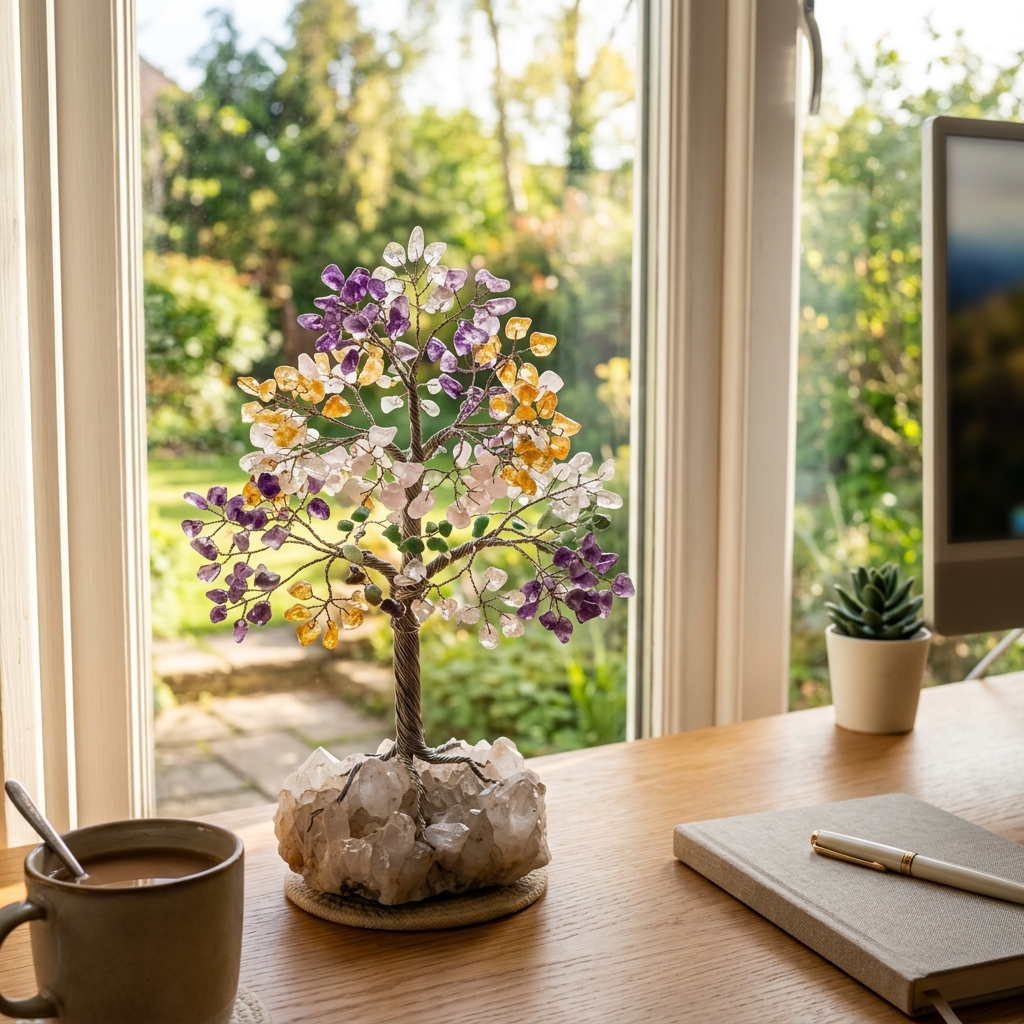
Crystals are widely used in contemporary spiritual and Vastu-inspired décor.
Clear quartz, rose quartz, amethyst, and other crystals are commonly marketed for different purposes.
Within Vastu-related practices, crystals may be recommended for particular rooms or directions depending on the practitioner's methodology.
The important point is that there is no universal rule saying one crystal is suitable for every room.
Before buying multiple crystals, identify the purpose and placement rather than choosing objects simply because they are popular online.
8. Wind Chimes
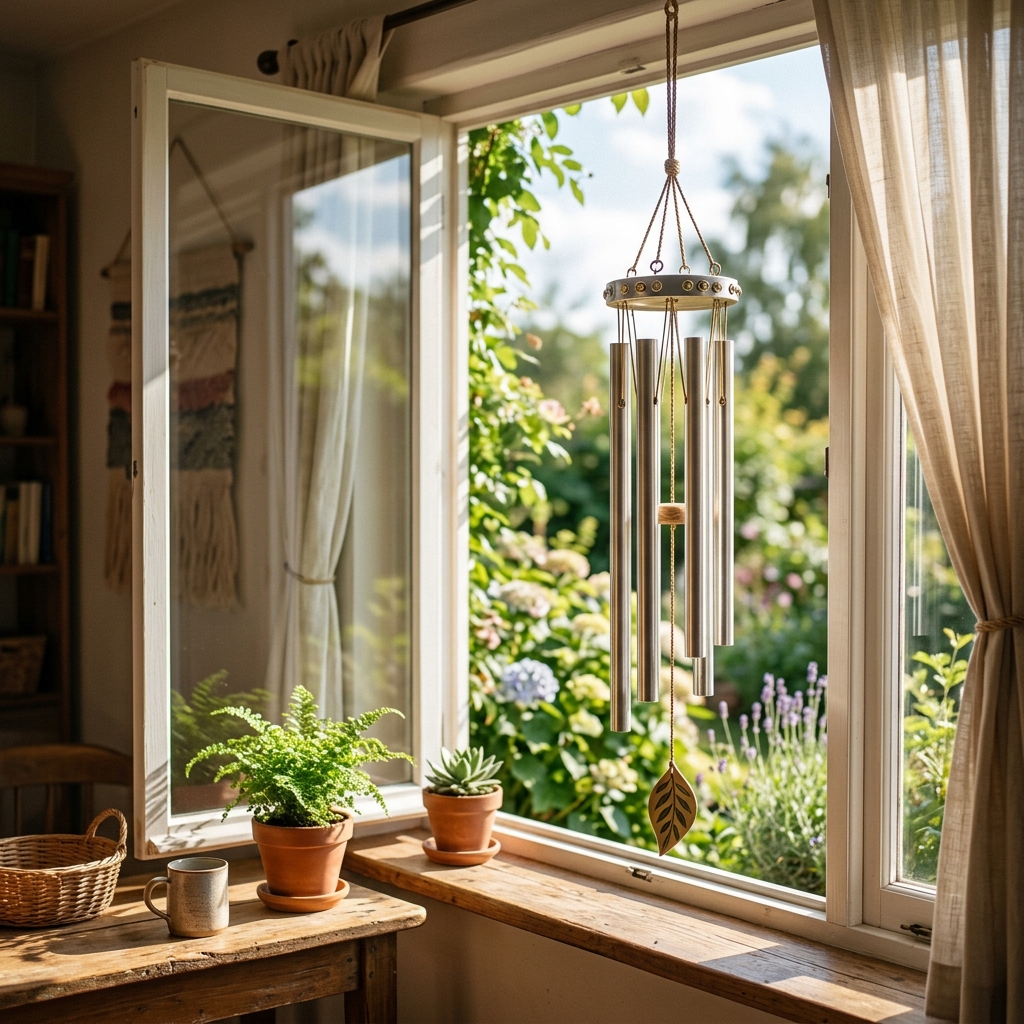
Wind chimes are frequently included among decorative Vastu Shastra items.
They combine sound and movement and can also function as attractive décor.
Metal wind chimes, wooden wind chimes, and other varieties are available. Traditional Vastu recommendations may vary according to direction, material, and number of rods.
Avoid using too many wind chimes simply because they are considered auspicious. Excessive decorative elements can create visual and physical clutter.
A single well-placed wind chime can be more appropriate than several competing pieces.
9. Vastu Swastik
The Swastik is an ancient auspicious symbol with deep significance in Indian traditions.
It is commonly used at entrances, during religious ceremonies, festivals, and other auspicious occasions.
As one of the traditional Vastu Shastra items, it is generally associated with auspiciousness, protection, and well-being.
The symbol should be used respectfully and in an appropriate cultural context.
For homes, a simple Swastik symbol near the entrance or prayer area may be used according to family tradition.
10. Om Symbol
The Om symbol is another important spiritual symbol frequently seen in Indian homes.
It is associated with sacred sound, consciousness, and spirituality.
An Om symbol can be incorporated into a meditation area, prayer room, entrance décor, wall art, or other suitable location.
Its value is primarily symbolic and spiritual. It should not be presented as a guaranteed solution for a specific financial, health, or relationship problem.
Vastu Shastra Items for the Main Entrance
The main entrance receives particular attention in traditional Vastu.
It is considered the primary point through which people enter the property and is therefore an important part of the overall spatial arrangement.
Common Vastu Shastra items associated with entrances include:
- Ganesha idols
- Swastik symbols
- Om symbols
- Torans
- Auspicious nameplates
- Decorative elephants
- Traditional lamps
- Lakshmi Charan symbols
- Appropriate protective symbols
The most important principle is not to overcrowd the entrance.
A clean, well-lit, accessible entrance generally creates a better environment than one filled with numerous decorative objects.
Recent Vastu content also places considerable emphasis on keeping the entrance clean and organised alongside the use of traditional symbols and décor.
Vastu Shastra Items for the Living Room
The living room is where family members and guests spend considerable time.
Instead of filling it with numerous remedies, choose objects that complement the existing interior.
Popular Vastu Shastra items for the living room include:
Elephant décor
Elephant statues can introduce a traditional Indian aesthetic while symbolising strength and stability.
Crystal décor
Crystals can be incorporated into shelves, consoles, or display areas.
Buddha statue
A meditation-oriented Buddha figure can contribute to a calm visual atmosphere.
Plants
Healthy indoor plants can introduce natural elements into the room and improve the overall appearance.
Decorative water element
A small water feature is sometimes used in Vastu-inspired interiors, particularly where its placement is considered appropriate.
However, water features require regular maintenance. Dirty or stagnant water defeats the practical objective of maintaining a clean and pleasant environment.
Vastu Shastra Items for the Bedroom
The bedroom should primarily feel calm, uncluttered, and comfortable.
Not every Vastu remedy is suitable for this room.
Commonly discussed Vastu Shastra items for bedrooms include:
- Selected crystals
- Natural wooden décor
- Appropriate artwork
- Peaceful symbolic objects
- Indoor plants suitable for the room
- Soft lighting
- Traditional spiritual symbols where appropriate
Avoid turning the bedroom into a collection of remedies.
Your primary objective should be a comfortable sleeping environment with appropriate ventilation, lighting, furniture placement, and minimal clutter.
Vastu should complement good interior planning rather than replace it.
Vastu Shastra Items for the Study Room
Students and professionals often search for Vastu Shastra items that can create a more focused study environment.
Popular choices include:
- Green plants
- Wooden décor
- Books
- Inspirational artwork
- Appropriate lighting
- Crystals used according to a specific tradition
- Traditional symbols associated with knowledge
However, concentration is influenced by practical factors such as lighting, noise, ergonomics, sleep, screen habits, and workspace organisation.
A Vastu-inspired study room should therefore combine traditional beliefs with sensible workspace design.
Vastu Shastra Items for the Office
Vastu is not limited to residential properties.
Traditional Vastu principles are also applied to offices, shops, commercial properties, and other workplaces.
Common office-related Vastu Shastra items include:
- Kubera-related symbols
- Ganesha idols
- Metal objects
- Plants
- Appropriate artwork
- Pyramids
- Crystals
- Traditional yantras
- Decorative water elements
The correct choice depends on the layout, entrance, seating arrangement, direction, purpose of the room, and the specific Vastu framework being followed.
For a business property, generic online recommendations should not automatically be treated as a personalised remedy.
Direction-Wise Use of Vastu Shastra Items
One of the biggest mistakes people make is purchasing an object first and asking about its direction later.
Traditional Vastu works heavily with directions.
The eight primary directions are:
- North
- South
- East
- West
- North-East
- North-West
- South-East
- South-West
Each direction is traditionally associated with particular qualities and elements.
For example, the North-East is often treated as an important zone, while the South-West is commonly associated with stability and grounding.
This is why the same object may be recommended differently depending on the location and purpose.
When selecting Vastu Shastra items, ask three questions:
What is the purpose of this item?
Where is it supposed to be placed?
Why is that particular direction recommended?
These questions are more useful than simply following a generic list from social media.
Five Elements and Vastu Shastra Items
Traditional Vastu discusses five fundamental elements:
- Earth
- Water
- Fire
- Air
- Space
These are commonly referred to as the Panch Mahabhutas.
Many Vastu Shastra items are selected because they symbolically represent or are traditionally associated with one or more of these elements.
For example:
- Plants and earthy décor can represent Earth.
- Water features represent Water.
- Diyas represent Fire.
- Wind chimes involve movement and sound associated with Air.
- Open, uncluttered areas relate to Space.
The goal is traditionally understood as achieving balance rather than maximising one element.
Do Vastu Shastra Items Really Work?
This is one of the most important questions.
Vastu Shastra is a traditional system, and many people use its principles because they find cultural, spiritual, psychological, or aesthetic value in them.
However, it is important to distinguish between traditional belief and scientifically established causation.
There is no reliable basis for claiming that a particular idol, pyramid, crystal, or decorative object will automatically produce wealth, cure illness, guarantee marriage, or ensure business success.
Therefore, responsible Vastu guidance should avoid statements such as:
“Place this object and you will definitely become rich.”
Instead, Vastu can be presented as a traditional framework for thinking about space, direction, symbolism, order, and environmental harmony.
This distinction also helps readers make better decisions.
How to Choose the Right Vastu Shastra Items
Before purchasing any Vastu object, follow these steps.
Step 1: Understand the problem
Do you have a question about:
- Entrance placement?
- Bedroom arrangement?
- Office layout?
- Property selection?
- Direction?
- Construction?
- A particular room?
- A traditional remedy?
Start with the actual requirement.
Step 2: Check the property
Look at the floor plan, entrance direction, room locations, windows, doors, open spaces, kitchen, bathrooms, and other structural features.
Step 3: Identify the relevant direction
Do not place an object simply because an online post says it is lucky.
Direction matters in traditional Vastu practice.
Step 4: Select an appropriate remedy
Only after understanding the situation should you consider Vastu Shastra items.
Step 5: Keep the space organised
Even the most carefully selected Vastu object cannot compensate for an extremely cluttered, poorly maintained environment from a practical interior-design perspective.
Common Mistakes When Using Vastu Shastra Items
1. Buying too many objects
More remedies do not automatically mean better results.
A home filled with pyramids, crystals, idols, symbols, and figurines can become visually overwhelming.
2. Ignoring direction
One of the biggest mistakes is assuming that every object works everywhere.
3. Following social media blindly
Short videos often remove important context.
A recommendation intended for one property may not apply to another.
4. Using damaged objects
Traditional household practices generally place importance on keeping spiritual and symbolic objects clean and in good condition.
5. Neglecting practical problems
A Vastu object should never be used as a substitute for fixing genuine issues such as poor ventilation, unsafe wiring, structural damage, water leakage, or inadequate lighting.
6. Expecting guaranteed results
Vastu should not be marketed as a guaranteed financial, medical, or relationship solution.
Can Vastu Shastra Items Correct Every Vastu Dosha?
No single object should automatically be considered a universal correction.
A Vastu concern can involve:
- Direction
- Entrance
- Room placement
- Property shape
- Structural layout
- Surroundings
- Water placement
- Open spaces
- Kitchen location
- Bedroom location
- Toilet placement
- Construction characteristics
An appropriate remedy depends on the specific situation.
Traditional Vastu guidance also recognises that an existing property may require a different approach from a property still being designed. Personalised assessment can therefore be more useful than blindly purchasing generic Vastu Shastra items.
Vastu Shastra Items vs Personalised Vastu Guidance
A list of Vastu Shastra items can be a useful starting point, but it cannot replace an understanding of your actual property.
Imagine two apartments.
Apartment A has a North-facing entrance, a kitchen in one location, and a bedroom in another.
Apartment B has a different entrance, different orientation, and completely different room arrangement.
The same remedy may not be appropriate for both.
This is why personalised Vastu guidance focuses on the property rather than simply selling a particular object.
If you are considering purchasing property, constructing a home, changing your office, or dealing with a specific Vastu concern, consider getting the space evaluated before spending money on multiple remedies.
How Astro27 Can Help You Explore Vastu and Astrology
Choosing Vastu Shastra items is only one part of understanding traditional Indian spiritual practices.
Astro27 is designed to bring modern digital experiences together with traditional astrology and spiritual guidance.
Instead of relying entirely on random social media recommendations, users can explore their questions through structured astrology and spiritual tools.
Astrology and Vastu are traditionally treated as related but distinct areas. Vastu focuses primarily on space, direction, layout, and the relationship between the built environment and its surroundings, while astrology focuses on planetary positions, birth charts, timing, and individual patterns.
For people interested in both subjects, considering them together can provide a broader traditional perspective.
Astro27 also provides interactive experiences such as tarot readings, where users can use symbolic card interpretations as a reflective tool for questions involving relationships, career, money, personal growth, and other areas.
The important idea is simple:
Do not choose a Vastu remedy simply because it is trending. Understand the space first.
If your concern is specific to your home, property, office, career, finances, relationships, or future decisions, a personalised approach is generally more meaningful than a generic list of objects.
10 Quick Vastu Shastra Items to Consider
If you want a quick starting list, these are some of the most commonly discussed options:
| Vastu Item | Common Traditional Association |
|---|---|
| Ganesha Idol | Auspiciousness and wisdom |
| Sri Yantra | Spiritual prosperity symbolism |
| Tortoise | Stability and grounding |
| Elephant Pair | Strength and prosperity symbolism |
| Vastu Pyramid | Geometric remedy |
| Wind Chime | Movement and sound |
| Gomati Chakra | Traditional prosperity/protection practices |
| Crystal | Contemporary spiritual/Vastu practice |
| Swastik | Auspiciousness |
| Om Symbol | Spirituality and sacred consciousness |
Remember that the table is a general reference, not a personalised placement prescription.
Vastu Shastra Items for a New Home
Moving into a new house is one of the most common times people start researching Vastu Shastra items.
Instead of purchasing everything at once, use a simple sequence.
Before moving
Study the property's orientation, entrance, room arrangement, and major structural features.
During setup
Keep the entrance clean and welcoming.
For the prayer area
Choose spiritual objects that have genuine meaning for your family.
For the living room
Use tasteful symbolic décor rather than excessive remedies.
For the bedroom
Prioritise comfort, ventilation, sleep quality, and minimal clutter.
For the kitchen
Maintain cleanliness, organisation, and sensible placement of appliances.
For the office
Create a workspace that supports concentration and productivity while incorporating Vastu principles if desired.
This approach keeps Vastu practical rather than turning it into an endless shopping list.
Frequently Asked Questions About Vastu Shastra Items
Which Vastu Shastra items are best for a home?
There is no single best object for every home. Ganesha idols, elephants, tortoises, pyramids, yantras, plants, wind chimes, and traditional symbols are commonly discussed, but suitability depends on the property and the purpose of the remedy.
Which Vastu Shastra items are good for prosperity?
Traditional practices commonly associate certain yantras, symbols, plants, water-related objects, and other items with prosperity. However, these should be treated as traditional or spiritual practices rather than guaranteed financial solutions.
Can I keep Vastu Shastra items in a rented house?
Yes. Many people prefer non-structural approaches in rented properties because they cannot make major changes. However, the suitability of any remedy still depends on the property.
Can Vastu Shastra items change my luck?
Vastu traditions associate spatial harmony with positive living environments, but it would be misleading to guarantee that a particular object can change a person's destiny.
How many Vastu items should I keep?
There is no universal number. Use only objects that have a clear purpose and suit your space.
Can I keep a Vastu pyramid anywhere?
Do not assume so. Different pyramids and Vastu systems may prescribe different placements.
Are Vastu plants considered Vastu items?
Yes. Plants are frequently incorporated into Vastu-inspired interiors because they introduce natural elements into the space.
Should Vastu items be cleaned?
Yes. Keeping your home and its decorative or spiritual objects clean is a sensible practice, especially when those objects have religious significance.
Should I consult an expert before buying Vastu items?
If you are dealing with a specific property issue, construction decision, office layout, or suspected Vastu concern, personalised guidance can be more useful than a generic online list.
Final Thoughts
Vastu Shastra items can be a meaningful way to incorporate traditional Indian principles into modern interiors.
However, the most effective approach is not to buy every object advertised as “powerful” or “lucky.”
Start with your property.
Understand the directions.
Look at the layout.
Identify the actual concern.
Then select an appropriate traditional remedy if it fits your beliefs and requirements.
Objects such as Ganesha idols, elephants, tortoises, yantras, pyramids, crystals, plants, wind chimes, and auspicious symbols can all have a place in a Vastu-inspired home. Their value, however, comes from their cultural meaning, symbolism, thoughtful placement, and the environment they help create—not from unrealistic promises of guaranteed results.
For general information, online guides can introduce you to the subject. For a specific home, office, plot, or property, personalised guidance is more appropriate because every space has a different orientation, structure, purpose, and surrounding environment.
If you are exploring Vastu alongside astrology and other traditional practices, Astro27 can be a useful starting point for discovering modern digital spiritual experiences and gaining a more structured perspective on your questions.
Ultimately, the best Vastu-inspired home is not the one with the most Vastu Shastra items.
It is the one that feels balanced, organised, peaceful, functional, and meaningful to the people who live there.